Get Landscape Mulching
Landscape mulching services offered by local contractors help improve yard appearance, control weeds, retain soil moisture, and protect plant beds during various landscaping projects.
Landscape mulching services offer a practical way for property owners to enhance the appearance and health of their outdoor spaces. Proper mulching can help with weed control, soil moisture retention, and temperature regulation, making it a valuable step in maintaining a well-kept landscape. Whether planning a new garden bed or refreshing existing mulch, property owners in the area can explore their options by comparing local contractors who specialize in mulching projects.
For those considering landscape mulching, understanding the variety of materials and techniques available can ensure a successful project. Local service providers have experience working with different types of mulch to suit specific landscape needs and aesthetic preferences. Continuing to explore local contractors can help property owners find the right professionals to handle their mulching work efficiently and effectively.
- Landscape Mulching - when homeowners want to enhance curb appeal and define garden beds.
- Garden Bed Mulching - to suppress weeds and retain soil moisture around plants.
- Erosion Control Mulching - for properties prone to soil erosion or heavy rainfall.
- Landscape Renovation - during major yard overhauls requiring fresh mulching installations.
- Seasonal Mulching - to prepare gardens for winter or boost growth in spring.
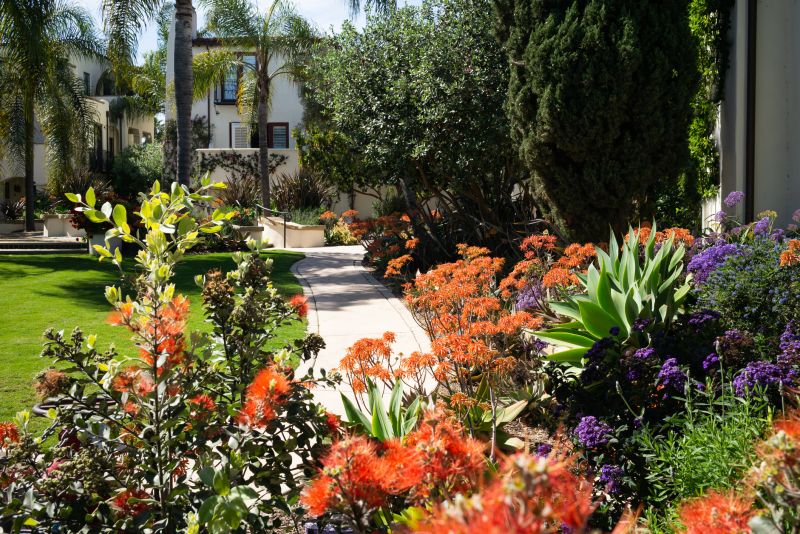
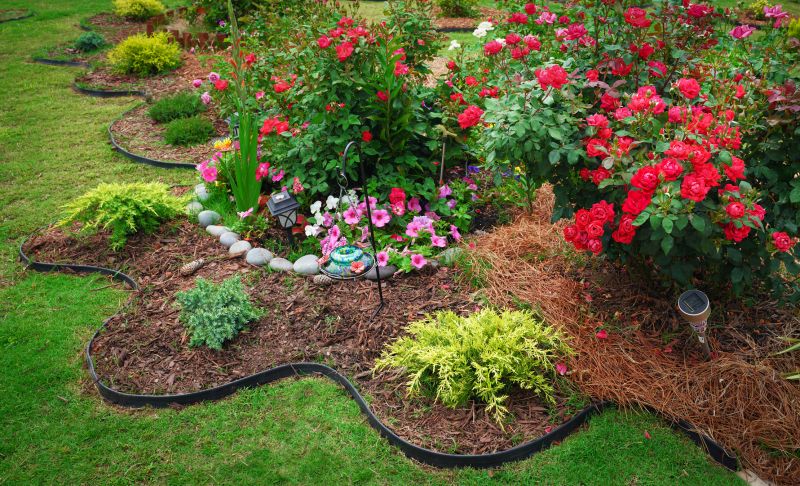
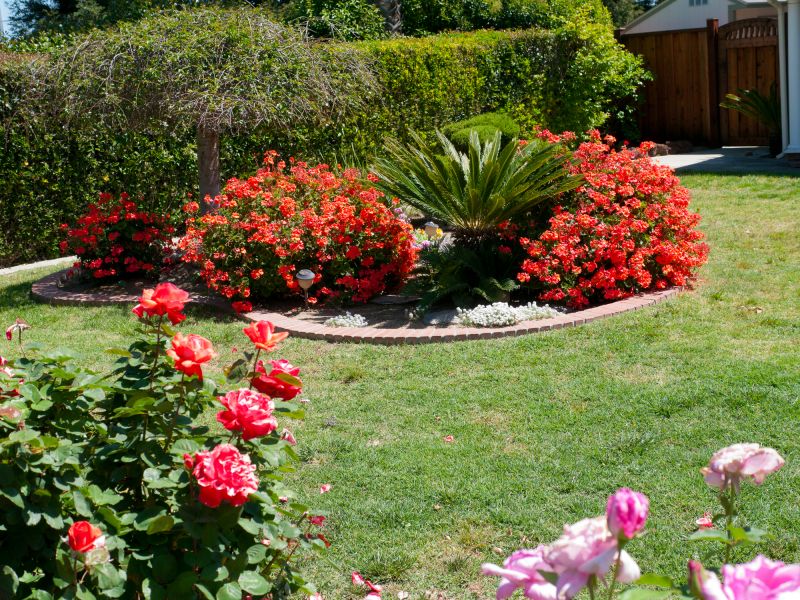
Landscape mulching services involve the application of various types of mulch materials around trees, flower beds, shrubs, and other landscaped areas. This process typically includes preparing the soil surface, spreading mulch evenly, and ensuring proper coverage to enhance the appearance of the landscape. The goal is to create a neat, finished look while also providing benefits such as weed suppression, moisture retention, and soil temperature regulation. Skilled service providers can help homeowners select the right type of mulch for their property and ensure it is installed correctly for optimal results.
Using mulch can address several common landscaping problems. It helps reduce weed growth by blocking sunlight from reaching weed seeds, making yard maintenance easier. Mulch also conserves soil moisture, which can be especially beneficial during dry periods or in areas prone to drought. Additionally, mulch can prevent soil erosion and suppress pests by creating a barrier around plants. For properties with uneven terrain or exposed soil, mulching can improve stability and reduce the risk of weeds taking over, ultimately helping to maintain a tidy and healthy landscape.
Properties that typically benefit from mulching services include residential yards, commercial landscapes, parks, and community gardens. Homes with flower beds, vegetable gardens, or shrubbery often use mulch to improve curb appeal and protect plantings. Larger properties with extensive landscaping may require professional mulching to ensure even coverage and proper installation across multiple areas. Whether a property is small or large, local contractors can tailor mulching solutions to meet specific needs, helping to keep outdoor spaces attractive and functional.
Homeowners who notice weeds sprouting quickly, soil drying out too fast, or a lack of uniformity in their landscape may find mulching services useful. Mulch can also be a practical choice for those looking to reduce yard maintenance or improve the overall look of their outdoor areas. By working with local service providers, homeowners can access professional mulching solutions that suit their property’s unique conditions. These experts can help determine the best type of mulch and ensure it is installed properly to maximize its benefits and enhance the landscape’s appearance.
The overview below groups typical Landscape Mulching projects into broad ranges so you can see how smaller, mid-sized, and larger jobs often compare in your area.
In many markets, a large share of routine jobs stays in the lower and middle ranges, while only a smaller percentage of projects moves into the highest bands when the work is more complex or site conditions are harder than average.
Smaller Mulching Projects - For routine mulching around flower beds or small areas, local contractors typically charge between $250 and $600. Most projects fall within this range, especially for standard yard sizes and mulch types.
Medium-Scale Mulching - Larger landscaping jobs that involve mulching multiple beds or larger sections usually cost between $600 and $1,500. These projects are common and represent the middle tier of pricing for most homeowners.
Large or Complex Installations - Extensive mulching, such as covering large property sections or incorporating decorative features, can range from $1,500 to $3,500. Fewer projects reach this tier, often depending on the scope and material choices.
Full Landscape Mulching Replacement - Complete overhaul or major landscape mulching services can exceed $3,500, with larger, more complex projects reaching $5,000 or more. These are less common and typically involve significant preparation and custom work.
Actual totals will depend on details like access to the work area, the scope of the project, and the materials selected, so use these as general starting points rather than exact figures.
Garden Bed Edging - local contractors skilled in installing borders and defining garden spaces often use similar tools and planning as landscape mulching projects.
Planting and Bed Preparation - professionals experienced in preparing soil and planting beds have expertise in groundwork that complements mulching services.
Landscape Design and Planning - designing outdoor spaces involves planning and material selection that align with mulching and soil management techniques.
Soil Amendment and Fertilization - projects focused on improving soil quality require knowledge of soil types and application methods similar to mulching tasks.
Pathway and Walkway Installation - constructing durable pathways involves planning and material handling skills related to landscape enhancement projects.
Erosion Control Solutions - managing soil stability and preventing erosion involves techniques that overlap with mulching to protect and beautify landscapes.
When evaluating landscape mulching services, it's important to consider the experience of local contractors with similar projects. Homeowners should look for service providers who have a track record of successfully completing mulching jobs comparable in size and complexity to their own. This familiarity can help ensure that the contractor understands best practices for different types of terrain and mulch materials, leading to a more efficient and effective process.
Clear, written expectations are essential when selecting a service provider. Homeowners should seek out contractors who can provide detailed descriptions of the scope of work, the materials to be used, and any specific responsibilities or preparations required. Having this information in writing helps prevent misunderstandings and provides a reference point throughout the project, making it easier to communicate needs and ensure the work aligns with the homeowner’s vision.
Reputable references and good communication are key indicators of a reliable landscape mulching service provider. Homeowners are encouraged to ask potential contractors for references from previous clients who had similar projects. This feedback can offer insights into the contractor’s professionalism and quality of work. Additionally, service providers who are responsive, clear, and prompt in their communication tend to be more dependable, making the process smoother and more transparent from start to finish.
Property owners use Landscape Mulching services for practical projects around their homes and businesses. This guide focuses on everyday jobs and straightforward project options.
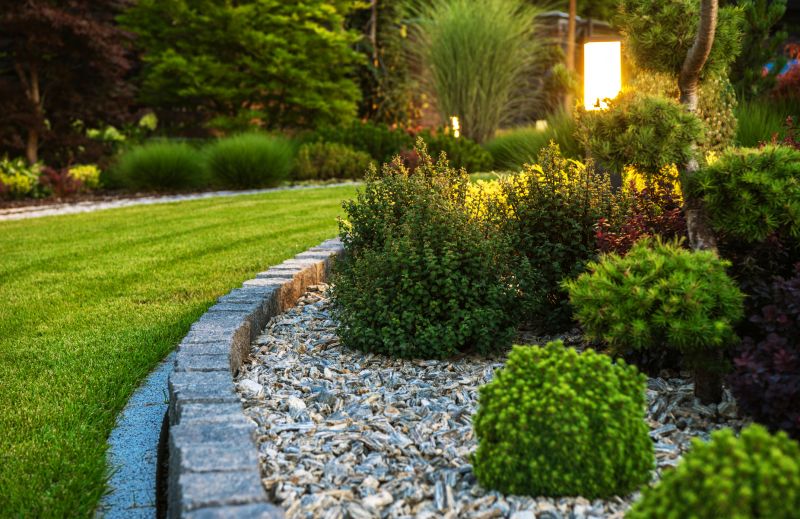
Landscape mulching services are commonly sought after by property owners looking to improve the appearance and health of their outdoor spaces. Whether preparing for a new planting season, controlling weeds, or simply maintaining a tidy yard, local contractors can provide the right mulch solutions to meet these everyday needs. Mulching can also help with soil moisture retention and temperature regulation, making it a practical choice for homeowners aiming to keep their landscapes vibrant and well-kept.
Many property owners turn to local service providers when they want to enhance curb appeal or reduce yard maintenance. Mulching projects are often part of larger landscaping efforts, such as garden bed refreshes or lawn upgrades. By connecting with experienced local contractors, property owners can find the appropriate mulching options to suit their specific project requirements, whether for a small residential yard or a larger property.
What are the benefits of landscape mulching? Landscape mulching helps suppress weeds, retain soil moisture, and improve the overall appearance of garden beds, making it easier to maintain healthy landscapes.
What types of mulch are typically used in landscape projects? Common mulch options include bark, wood chips, shredded hardwood, and rubber mulch, each offering different aesthetic and functional benefits.
How does mulch affect plant health and growth? Mulch insulates plant roots, maintains consistent soil temperature, and helps prevent weed growth, all of which support healthier plant development.
What factors should be considered when choosing mulch for a landscape? Consider the local climate, plant types, desired aesthetic, and durability to select the most suitable mulch for a specific landscape.
How can local contractors assist with landscape mulching? Local service providers can help assess landscape needs, recommend appropriate mulch types, and handle installation to enhance the landscape’s appearance and health.
Enhance curb appeal - Mulching can give flower beds and landscaped areas a tidy, polished look that boosts the overall appearance of a property.
Control weeds and pests - Applying mulch helps suppress weeds and can reduce pests around garden beds and shrubs.
Protect plants during seasonal changes - Mulch acts as an insulator, helping to maintain soil temperature and moisture levels for healthy plant growth.
Define garden borders and pathways - Using mulch to outline garden beds or create natural walkways can organize outdoor spaces effectively.
If you are thinking about Landscape Mulching for a property, this guide is meant to help you understand the work, the typical project types, and how different options might fit your plans.
When you are ready, you can use the quote form on this page to share a few details about your project. From there, local pros can review the basics and respond with options that match what you have in mind.